
Shop By Region
Where would you like to shop?
Paint With Sunlight
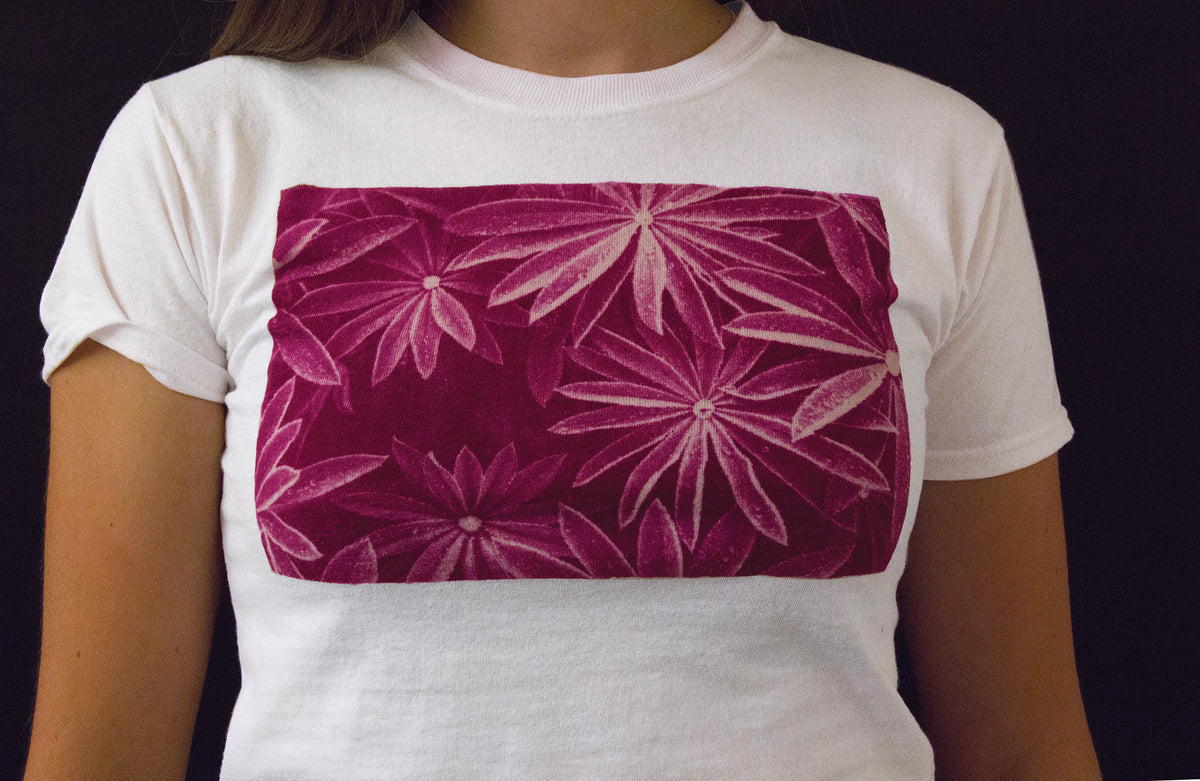
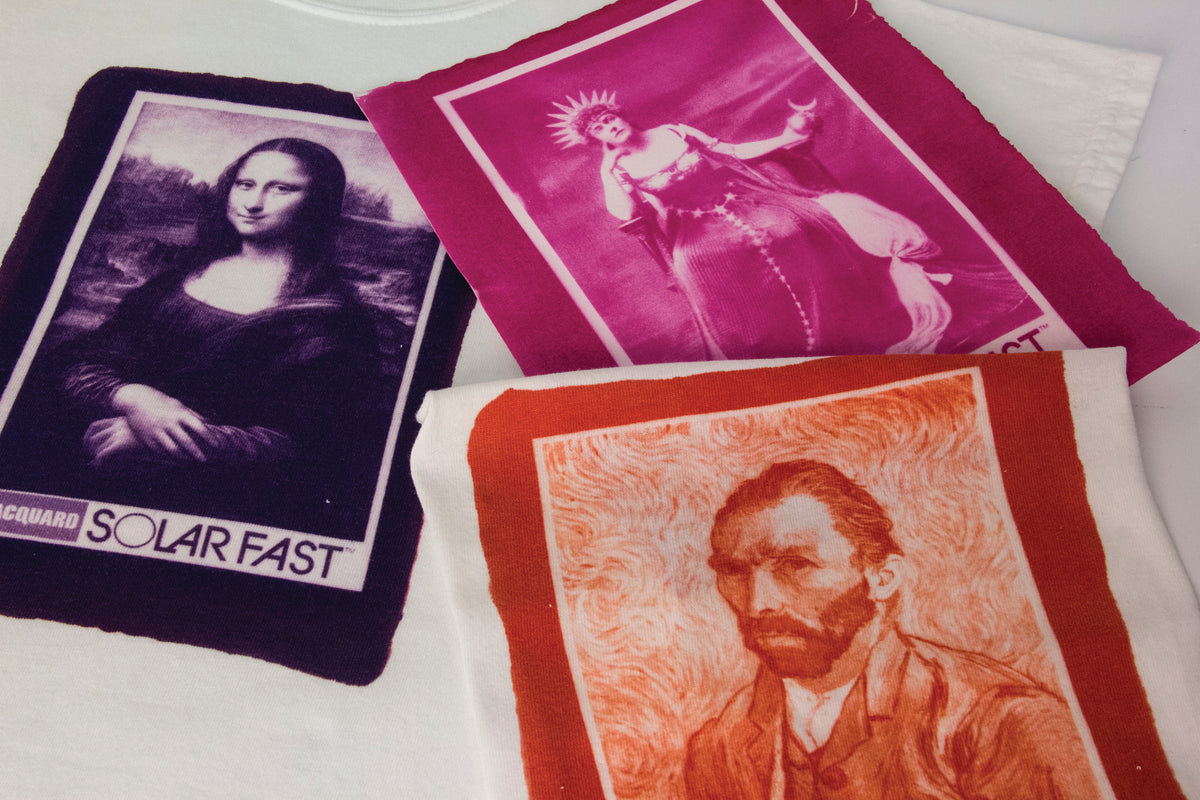
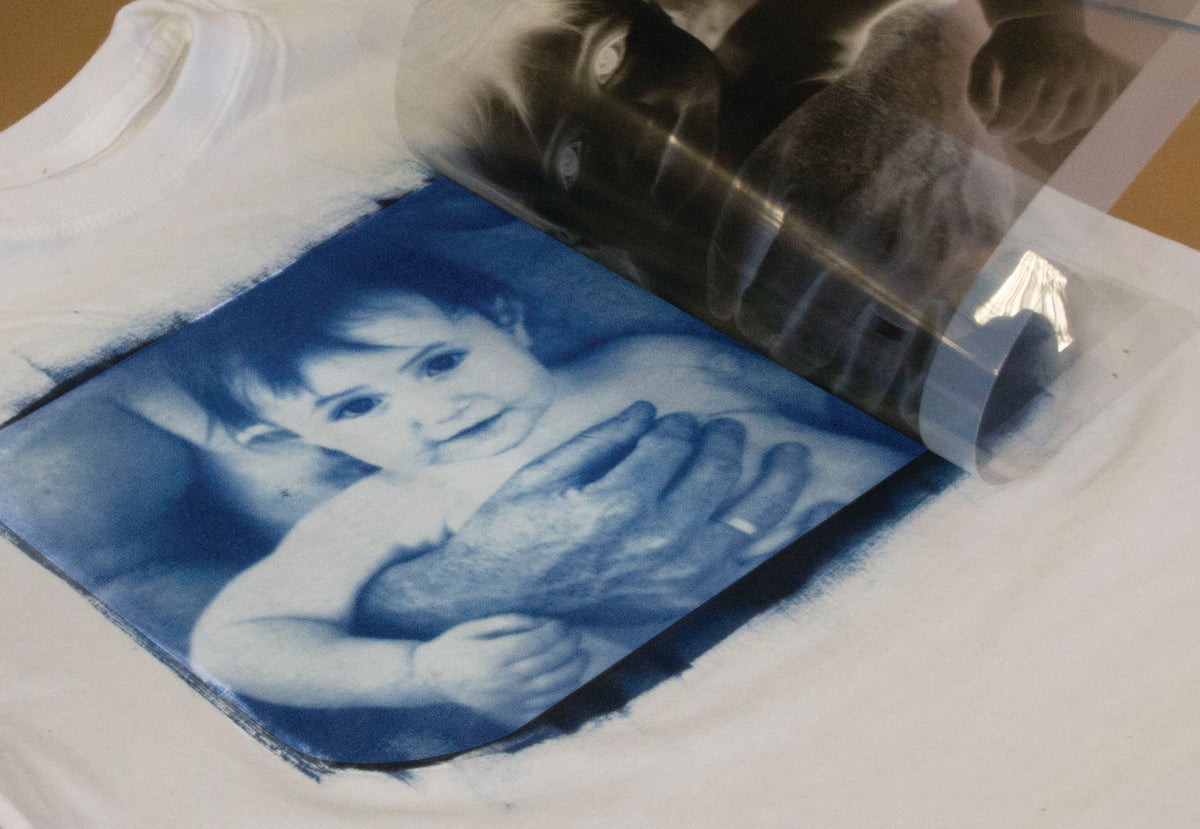
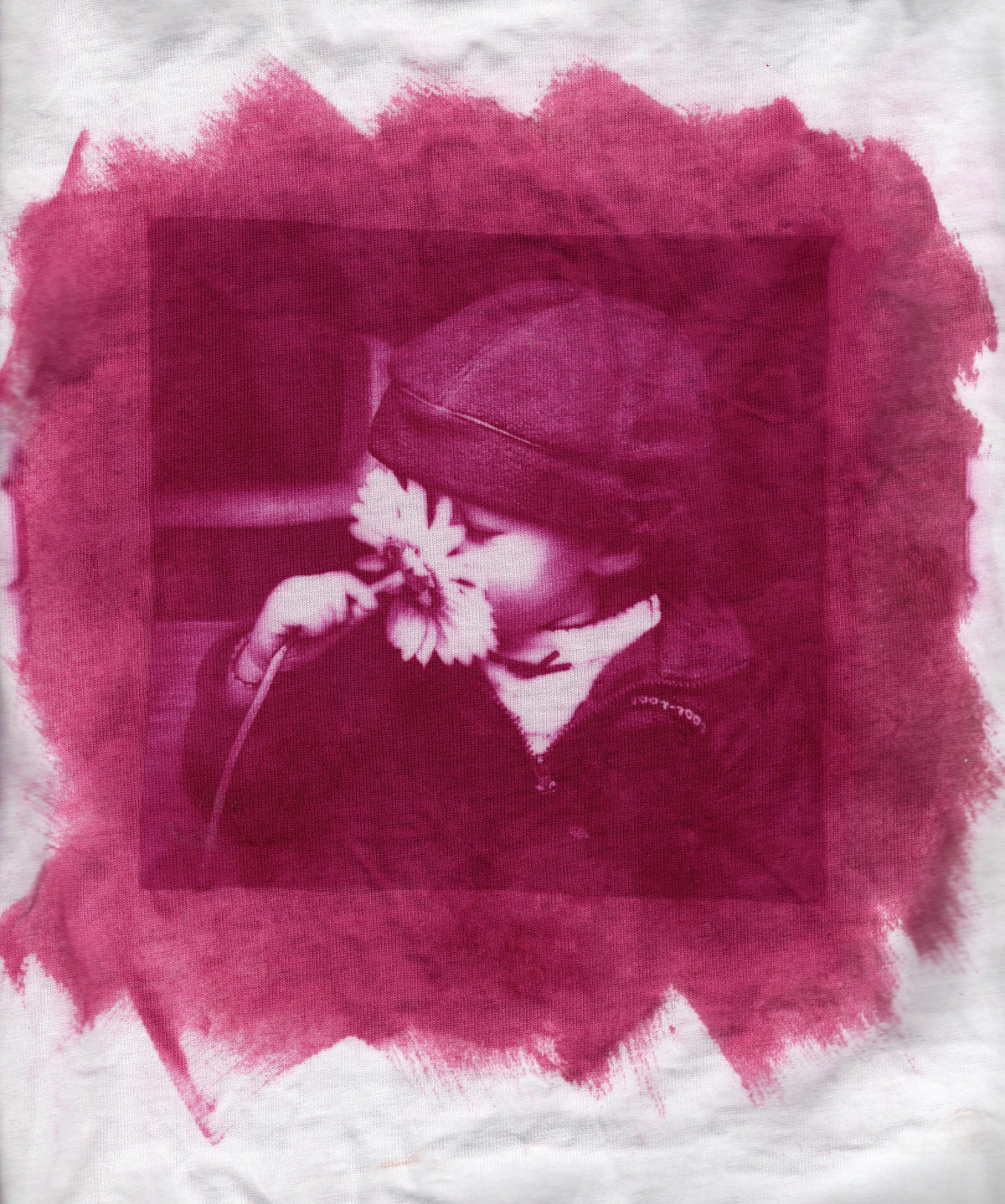
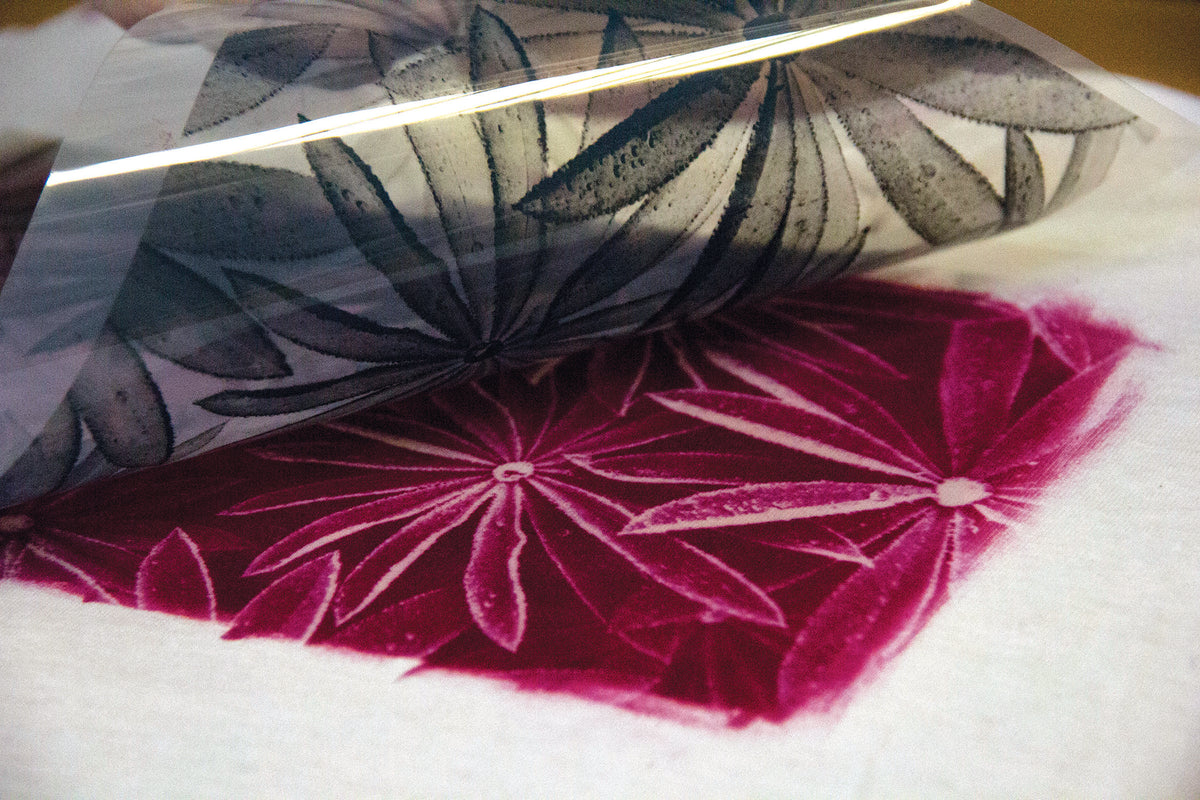
Place objects, lace, or a photo negative onto SolarFast-painted fabric or paper, then let the sun do the rest. In minutes, the exposed areas develop rich color while the covered areas stay light, producing a permanent, one-of-a-kind print.
Made By the Sun
This image was created by painting SolarFast onto fabric, then placing objects, lace, or a photo negative on top and letting the sun do the rest. In just minutes, the exposed areas develop color while the covered areas stay light, producing a permanent, one-of-a-kind print.

SolarFast: Instructional Video
Frequently Asked Questions
Does SolarFast need direct sunlight, or can I use it indoors?
SolarFast develops with UV light, and direct sunlight is the most effective source, ideally between 11am–3pm when the sun is highest. It can also develop under artificial UV sources like exposure units, sun lamps, or grow lights, though exposure times will vary depending on the bulb's output.
What fabrics and surfaces can I use SolarFast on?
SolarFast works permanently on natural fibers such as cotton, linen, silk, wool, canvas, leather, and wood, plus most paper. It won't bond to synthetic fabrics, plastic, rubber, or non-absorbent surfaces like glass or metal.
Do I need a photo negative to make a print?
No, a negative is just one option. You can create sun prints using everyday objects like leaves, lace, or tools to block light, or use SolarFast for negative-free techniques like tie dye, batik, or straight fabric painting.
Will SolarFast stiffen or change the feel of my fabric?
No. SolarFast is a true dye rather than a paint, so it leaves fabric completely soft to the touch with no added texture or stiffness, even after multiple prints.
How do I get the best results and avoid pale or blurry prints?
For the richest color, expose your piece while the dye is still wet and wash it promptly afterward in hot water. For crisp detail, make sure your negative or object stays in close, flat contact with the fabric during exposure — a piece of glass on top helps prevent shadows and blurring.